Clause 3 – How to Understand the Definition of “visibly glowing heating element”

visibly glowing heating element: heating element that is partly or completely visible from the outside of the appliance and has a temperature of at least 650 °C when the appliance has been operated under normal operation at rated power input until steady conditions have been established.

The heating element needs to be able to emit light and the light needs to be visible, it is also required that the temperature of the heating element exceeds 650°C. Often when measuring temperature, we measure the temperature at the hottest location, for example, getting the temperature at the surface of a heating element. When testing, please note that it is important to use a thermocouple that is resistant to high temperatures and also to ensure that the calibrated temperature range of the thermocouple covers the temperature being tested.

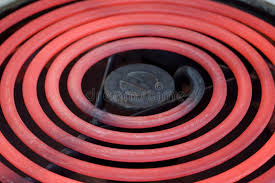
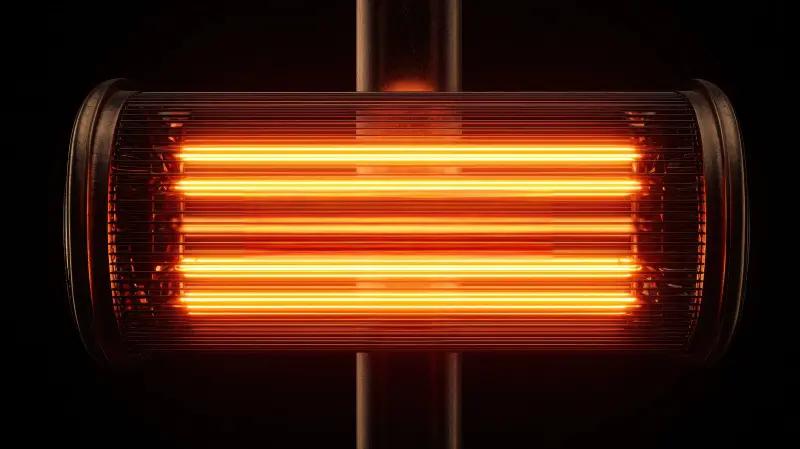
If you have done the clause 30.2 glow wire test then you should have experience that at 650°C the glow wire is non-luminous and only at 750°C does it emit a dim light. Of course, the luminous properties of heating elements may be different from those of a glow wire. Here are some photos of a typical visibly glowing heating element.
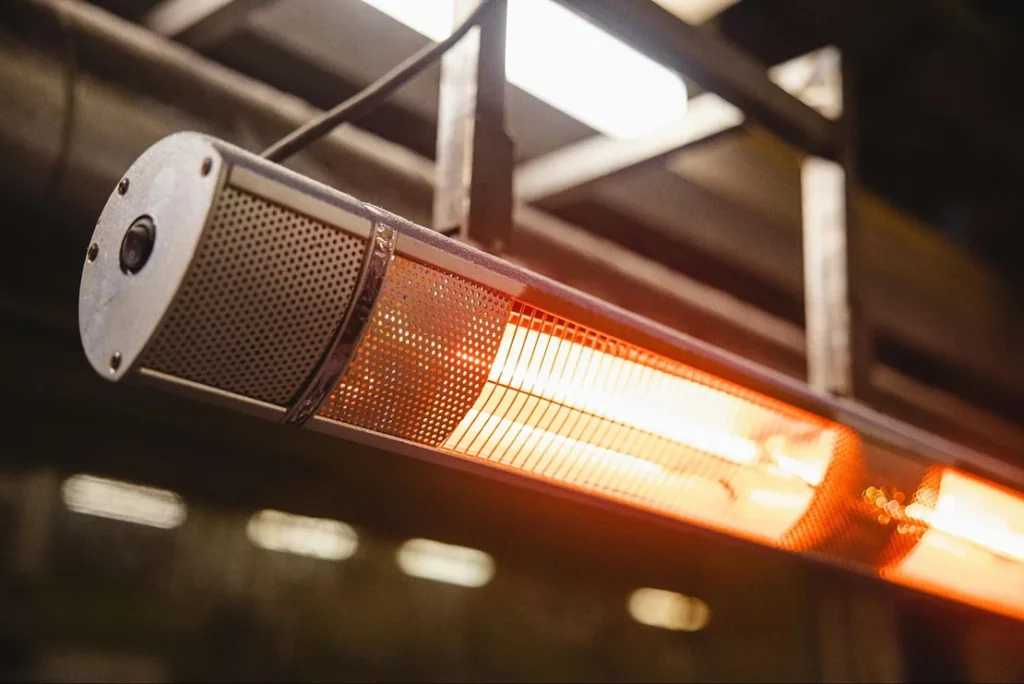
visibly glowing heating element for high position installation
close up view showcases electric infrared heater glowing intensely warmth shot heating element emitting warm
Dark red heating element

This visibly glowing heating element is a warning to the user of the product, and therefore the test requirements are a little more lenient during the subsequent clause of the test.

There are some glowing heating elements that emit light that is not particularly bright, but as long as they emit light and the temperature exceeds 650°C, they can also be defined as visibly glowing heating elements. However, the two photos below show heating elements that, in my experience, should not be considered as visibly glowing heating elements, as the brightness of the heating elements shown in the photos does not correspond to a temperature of 650°C.
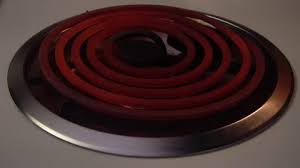
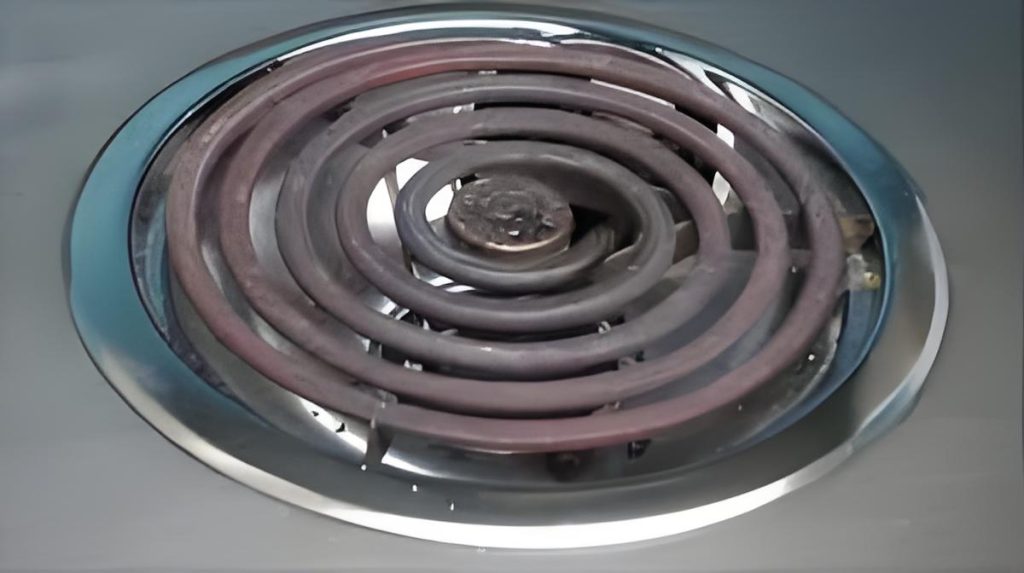
Dark red heating element-1
Dark red heating element-2

Similar Posts

  • Clause 3 – How to Understand the Definition of “all-pole disconnection”

    all-pole disconnection: disconnection of both supply conductors by a single initiating action or, for multi-phase appliances, disconnection of all supply conductors by a single initiating actionNOTE For multi-phase appliances, the neutral conductor is not considered to be a supply conductor. Single-phase power: An AC power system composed of one live wire and one neutral wire.​Three-phase…

  • ข้อ 3 – วิธีทำความเข้าใจคำจำกัดความของ “โอกาสในการขาย”

    ช่องภายในหรือติดกับตัวเครื่องมีข้อจำกัดสองประการที่ต้องเน้นย้ำที่นี่ อย่างแรกคือต้องเก็บไว้ในช่องซึ่งโดยทั่วไปอาจเป็นกล่องไฟฟ้าพลาสติก หรือตำแหน่งแบบฝังบนตัวเครื่องซึ่งสามารถใช้วางสายไฟได้ เงื่อนไขที่สองคือสายไฟ สายไฟที่นี่แตกต่างจากสายไฟ ลวดประเภทนี้เป็นลวดทั่วไปที่มีปลอกหุ้มฉนวนเพียงชั้นเดียว ฝักลวดประเภทนี้โดยทั่วไปจะมีสีน้ำตาลหรือสีน้ำเงิน ถ้าเป็นสายดินจะเป็นสีเหลืองเขียว ตามที่แสดงในภาพด้านล่าง ส่วนนี้จะแสดงการเชื่อมต่อแบบคงที่และการเชื่อมต่อแหล่งจ่ายไฟสำหรับพัดลมเพดาน โดยทั่วไปสายไฟที่ออกมาจากแกนสามารถเชื่อมต่อโดยตรงกับสายไฟแบบตายตัว (นั่นคือสายไฟที่ด้านบนของห้องหรือแผงขั้วต่อ) ลวดส่วนนี้มักเป็นลวดธรรมดาที่มีชั้นเปลือกลวด เพราะสามารถวางไว้ที่ระฆังบนได้จึงถือเป็นตะกั่ว As shown in photos below, this part shows the fixed and supply connection for ceiling fan. The wires coming out of the rod can generally be directly connected to the fixed wiring (that is, the wiring on the top of the…

  • ข้อ 3 – วิธีทำความเข้าใจคำจำกัดความของ “ช่วงกำลังไฟฟ้าเข้าพิกัด”

    คำจำกัดความนี้สอดคล้องกับช่วงแรงดันไฟฟ้าที่กำหนด ซึ่งหมายความว่ากำลังไฟฟ้าเข้าที่กำหนดจะมีป้ายกำกับเป็นช่วงขีดจำกัดบนและล่าง ตัวอย่าง: เครื่องทำความร้อนในห้องแบบหลอดควอทซ์ที่มีช่วงแรงดันไฟฟ้า AC220-240V และช่วงกำลังไฟเข้าพิกัด 2000-2200WExample: A quartz tube room heater with a rated voltage range of AC220-240V and a rated power input range of 2000-2200W.

  • Clause 3 – How to understand the definition of “electronic component”

    electronic component: part in which conduction is achieved principally by electrons moving through a vacuum, gas or semiconductor.NOTE Neon indicators are not considered to be electronic components. Early vacuum tubes were components that allowed electrons to conduct in a vacuum and were the core components of old radios and televisions.Electrons move through specific gases, colliding…

  • ข้อ 3 – จะเข้าใจคำจำกัดความของ “การกวาดล้าง” ได้อย่างไร

    พื้นผิวที่เข้าถึงได้การกวาดล้างเป็นแนวคิดที่สำคัญมาก เพื่อให้เข้าใจถึงการกวาดล้าง เราต้องพูดอีกครั้งว่าไม่มีสารใดเป็นฉนวนโดยสมบูรณ์ และอากาศก็สามารถนำไฟฟ้าได้เช่นกัน เมื่อแรงดันไฟฟ้าสูงมาก กระแสไฟฟ้าจะถูกนำผ่านอากาศ ฟ้าผ่าระหว่างเกิดพายุฝนฟ้าคะนองเป็นตัวอย่างทั่วไปของฟ้าผ่าที่ผ่านอากาศ แรงดันไฟฟ้าของฟ้าผ่าสูงมาก จึงสามารถทะลุผ่านอากาศส่วนที่ยาวมากได้ ทำให้อากาศส่วนนี้เป็นสื่อกระแสไฟฟ้า ในเครื่องใช้ไฟฟ้าในครัวเรือนถึงแม้แรงดันไฟฟ้าจะต่ำมาก แต่ก็มีอากาศอยู่ในผลิตภัณฑ์เป็นจำนวนมาก และกระแสไฟจะถูกนำผ่านอากาศด้วย เมื่อแรงดันไฟฟ้าเพิ่มขึ้น ระยะทางที่แรงดันไฟฟ้าอาจทะลุผ่านอากาศก็จะนานขึ้นเช่นกัน สิ่งนี้ทำให้เกิดแนวคิดเรื่องการกวาดล้าง สำหรับคำอธิบายโดยละเอียดเกี่ยวกับการกวาดล้าง โปรดดู IEC 60664-1 (การประสานงานของฉนวนสำหรับอุปกรณ์ภายในระบบไฟฟ้าแรงต่ำ – ส่วนที่ 1: หลักการ ข้อกำหนด และการทดสอบ)ฉันคิดว่ารูปภาพต่อไปนี้สามารถอธิบายเส้นทางการกวาดล้างทางไฟฟ้าได้ดี ช่องว่างอาจเกิดขึ้นระหว่างอิเล็กโทรดสองตัวที่มีแรงดันไฟฟ้าต่างกัน หรือระหว่างชิ้นส่วนที่มีไฟฟ้ากับมือของผู้ใช้ผลิตภัณฑ์ไฟฟ้า คุณเพียงแค่ต้องจินตนาการว่าอิเล็กโทรดทั้งสองในภาพด้านบนเป็นวัตถุอื่น เมื่อเราอธิบายฉนวนพื้นฐานและฉนวนตามการใช้งาน เราได้ให้ภาพถ่ายจริงบางส่วนเพื่ออธิบายตัวอย่างการกวาดล้างและการเคลื่อนตัว รูปที่ 11 – ตัวอย่างระยะห่างในมาตรฐาน IEC 60335-1 เป็นตัวอย่างง่ายๆ จากตัวเลขนี้ เราสามารถคิดถึงคุณลักษณะพื้นฐานของอุปกรณ์คลาส II โครงสร้างคลาส II อุปกรณ์คลาส I และการสร้างคลาส I คีย์ 1 ชิ้นส่วนโลหะที่ขุดขึ้นมาและเข้าถึงได้2 กล่องหุ้ม3 ชิ้นส่วนโลหะที่ต่อลงดินที่เข้าถึงได้4 ชิ้นส่วนโลหะที่ขุดขึ้นมาซึ่งเข้าถึงไม่ได้ส่วนที่มีไฟฟ้า L1…

  • ข้อ 3 – จะเข้าใจคำจำกัดความของ “ฉนวนเสริม” ได้อย่างไร

    ดังแสดงในรูปด้านล่าง จากพื้นผิวด้านนอกของฉนวนพื้นฐาน (ในที่นี้สามารถเข้าใจได้ว่าเป็นพื้นผิวด้านนอกของปลอกลวดของลวดภายใน หรือพื้นผิววัสดุพลาสติกของสวิตช์) ไปยังตำแหน่งที่สามารถทำได้ จากภาพตัวอย่างที่ผู้ใช้สัมผัส (ฝาครอบด้านล่างหรือด้านข้างของเครื่องใช้ไฟฟ้า) สามารถพิจารณาว่าฝาครอบด้านล่างและด้านข้างของเครื่องใช้ไฟฟ้าเป็นฉนวนเสริมได้ ในทำนองเดียวกัน ระยะห่างตามผิวฉนวนจากปลอกลวดตะกั่วภายในตามพื้นผิวด้านในของเปลือกด้านข้างไปยังตำแหน่งที่ผู้ใช้ภายนอกสัมผัสได้สามารถกำหนดเป็นฉนวนเสริมได้ จากนั้นเป็นระยะทางเส้นตรงที่สั้นที่สุดจากฉนวนพื้นฐานภายใน ผ่านอากาศไปยังสถานที่ที่ผู้ใช้ภายนอกสามารถสัมผัสได้สามารถกำหนดเป็นระยะห่างของฉนวนเสริมได้ ระยะห่างโดยทั่วไปหมายถึงช่องว่างระหว่างเปลือกด้านล่างและเปลือกด้านข้าง An insulation that is outside the basic insulation and is independent of the basic insulation, and is usually accessible to the user. supplementary insulation, as the name implies, is additional, and refers to insulation added to the basic insulation. This involves a…