Clause 3 – How to understand the definition of “user maintenance”

user maintenance: any maintenance operation stated in the instructions for use, or marked on the appliance, that the user is intended to perform.

Allowed user-executed operations, the operation guideline was given in user manual, and it could be showed in enclosure of appliance. Since it is a allowed user-executed operation, then additional protective method should be included in appliance to against hazards; moreover, we must consider that the user performing the maintenance operation does not have much experience with hazard protection, as well as reasonable misuse by the user during maintenance. We need to differentiate between maintenance and repairs; repairs are performed by professionals, and not much protection is needed for the repairers as they are more specialised.

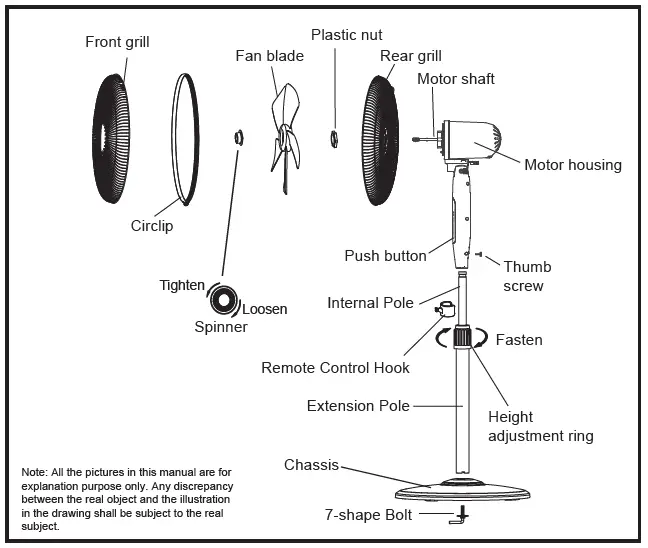
Such as floor standing fan, usually the user will be allowed to disassemble and clean it, and the manual will give detailed instructions for disassembly and cleaning accordingly. A snippet of the instruction manual is shown below:
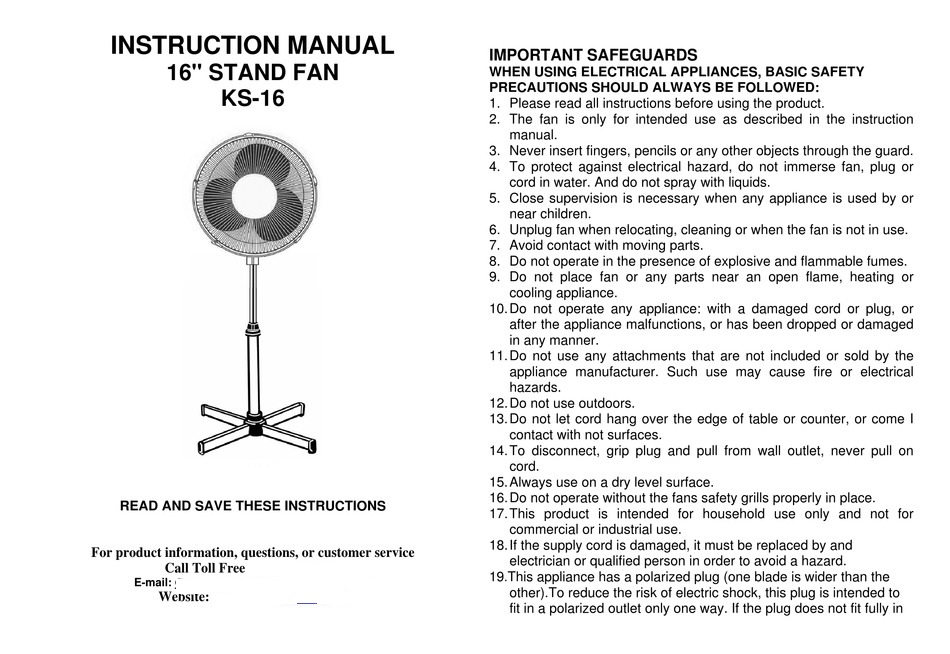
user manual cover page for floor standing fan
Floor standing fan installation diagram

This is a typical type of user maintenance.
The standard refer to definition – user maintenance in clause 7.12, clause 15.1, clause 22.14, clause 23.3, and clause 28.1, which are primarily concerned with avoiding or minimising the hazards that can occur during user maintenance.

Similar Posts

  • |

    Clause 3 – How to understand the definition of “room temperature”

    room temperature: ambient temperature specified in the general conditions for the tests.Note 1 to entry: The ambient temperature is specified in 5.7. This item comes from standard IEC 60335-1:2020 edition 6.0. In commented version (CMV) of the official standard IEC 60335-1:2020 edition 6.0 allows the user to identify the changes made to the previous edition…

  • Clause 3 – How to understand the definition of “combined appliance”

    combined appliance: appliance incorporating heating elements and motors. We know that this standard mainly protects against the following five types of dangers, which are electric shock, mechanical damage from moving parts, thermal damage (such as burns), fire damage, chemical and biological damage. Generally speaking, thermal damage is caused by electric heating elements, and mechanical damage…

  • ข้อ 3 – จะเข้าใจคำจำกัดความของ “สายเชื่อมต่อโครงข่าย” ได้อย่างไร

    หมายเหตุ 1: ในเครื่องใช้ไฟฟ้าที่ใช้แบตเตอรี่ ถ้าใส่แบตเตอรี่ไว้ในกล่องแยกต่างหาก สายไฟอ่อนหรือสายอ่อนที่ต่อกล่องกับเครื่องใช้ไฟฟ้าจะถือเป็นสายเชื่อมต่อโครงข่ายสายเชื่อมต่อไม่ได้เชื่อมต่อกับแหล่งจ่ายไฟหลัก ตั้งอยู่ระหว่างสองส่วนของเครื่องใช้ไฟฟ้า สายไฟสามารถนำพลังงานไฟฟ้าจากส่วนหนึ่งไปยังอีกส่วนหนึ่งได้ แนวคิดของสายเชื่อมต่อโครงข่ายมีการกำหนดไว้ที่นี่เพื่อลดอันตรายที่เกิดจากสายเชื่อมต่อโครงข่าย มาตรฐาน 25.23 และ 25.24 กำหนดข้อกำหนดสำหรับสายเชื่อมต่อโครงข่าย จากมุมมองของข้อกำหนดมาตรฐาน มาตรฐานจะพิจารณาถึงสายไฟภายนอกของเครื่องใช้ไฟฟ้าเป็นหลัก การดึงที่อาจเกิดขึ้นระหว่างการใช้งาน และสภาวะการใช้งานอื่นที่คล้ายคลึงกันซึ่งสายไฟอาจทนได้ ดังนั้นสายไฟที่เข้าถึงได้จากภายนอกส่วนใหญ่นอกเหนือจากสายไฟจึงถือเป็นสายเชื่อมต่อโครงข่าย หมายเหตุ 1 เป็นตัวอย่างทั่วไป ผลิตภัณฑ์ที่แสดงในภาพด้านล่างคือพัดลมที่มีฟังก์ชันการทำให้เป็นละออง (เป่าลมออกมาในรูปของหมอก) สายเชื่อมต่อระหว่างส่วนหัวพัดลมด้านบนและส่วนถังน้ำสีขาวด้านล่างถือได้ว่าเป็นสายเชื่อมต่อ ดังแสดงในรูปด้านล่าง พัดลมไอน้ำแบบตั้งพื้นมีโครงสร้างที่แตกต่างจากพัดลมไอน้ำแบบติดผนังดังแสดงในรูปด้านบน แต่มีฟังก์ชั่นเดียวกัน พัดลมไอน้ำแบบตั้งพื้นเป็นโครงสร้างที่สำคัญ แต่มีสายไฟด้านนอกเชื่อมต่อหัวพัดลมกับถังเก็บน้ำด้านล่าง (สายไฟจะผ่านแกนรองรับตรงกลาง) สำหรับการเชื่อมต่อประเภทนี้ผู้เขียนเชื่อว่าเป็นสายเชื่อมต่อโครงข่ายด้วย ดังแสดงในรูปด้านล่าง นี่คือเส้นนำทั่วไประหว่างแผงวงจรแสดงผลและแผงวงจรควบคุมหลักของเครื่องปรับอากาศแบบแยกส่วนภายในอาคาร แม้ว่าสัมผัสสายได้โดยการเปิดฝาครอบด้านบนด้วยตนเอง แต่สายจะอยู่ด้านในเครื่องระหว่างการใช้งานปกติ จึงไม่ถือว่าเป็นสายเชื่อมต่อระหว่างกัน อย่างไรก็ตาม ผู้นำยังคงต้องเป็นไปตามข้อกำหนดของข้อ 22.8. นี่คือกรณีที่เป็นที่ถกเถียงกันมากขึ้น ซึ่งก็คือสายไฟภายในช่องคอมเพรสเซอร์ที่ด้านหลังของตู้เย็น สายไฟในวงกลมสีแดงในรูปด้านล่างถือเป็นสายเชื่อมต่อโดยองค์กรทดสอบหรือห้องปฏิบัติการบุคคลที่สามส่วนใหญ่ ความเห็นส่วนตัวของฉันคือสายไฟในช่องคอมเพรสเซอร์ตู้เย็นไม่ใช่สายเชื่อมต่อ เราสามารถอนุมานเจตนาของมาตรฐานได้จากข้อกำหนด 25.23 และ 25.24 มาตรฐานกำหนดให้สายเชื่อมต่อต้องเป็นไปตามข้อกำหนดของสายไฟ สายไฟสามารถดึงออกได้ จึงต้องทดสอบตามข้อ 25.15 สายไฟมีลักษณะพิเศษคืออยู่ภายนอกตัวเครื่องและสามารถสัมผัสและดึงได้ สายไฟตู้เย็นที่เรากำลังพูดถึงที่นี่ไม่น่าจะแตะต้องได้ และโดยพื้นฐานแล้วจะไม่ถูกดึง เครื่องใช้ไฟฟ้าได้รับมาโดยชุดสายไฟและประกอบด้วยส่วน…

  • Clause 3 – How to understand the definition of “PTC heating element”

    PTC heating element: element intended for heating consisting mainly of positive temperature coefficient resistors that are thermally sensitive and have a rapid non-linear increase in resistance when the temperature is raised through a particular range. As the temperature increases, the resistance of the heating element of the PTC heating element increases. The relationship between temperature…

  • Clause 3 – How to understand the definition of “stationary appliance”

    stationary appliance: fixed appliance or an appliance which is not a portable appliance. Stationary appliance includes fixed appliance and not a portable appliance. The characteristic of a stationary appliance is that once it is put into use, it will be placed in a fixed position. At the same time, the position of the appliances will…