Clause 3 – How to understand the definition of “fixed appliance”

fixed appliance: appliance that is intended to be used while fastened to a support or while secured in a specific location.

The definition emphasizes fastening to a bracket or fixing in a specific position. Generally, we think that this kind of fixation requires some installation actions and some fixing devices, these devices can be fixed on the wall, installed on the ceiling, or embedded in a reserved space. Because the status before and after fixing is different, the corresponding safety requirements are also different. At the same time, for some special fixed appliances, some part 2 standards have added corresponding requirements.
For ceiling fans, after being fixed, the standard has a load test requirement of 4 times its own weight for its suspension fixing system. For household wall-mounted room air conditioners, before installation, the indoor unit is not attached to the wall, but after installation, this surface is in contact with the wall, and the wall plays the role of covering the appliance, thereby protecting the moving parts or live parts inside the appliance.
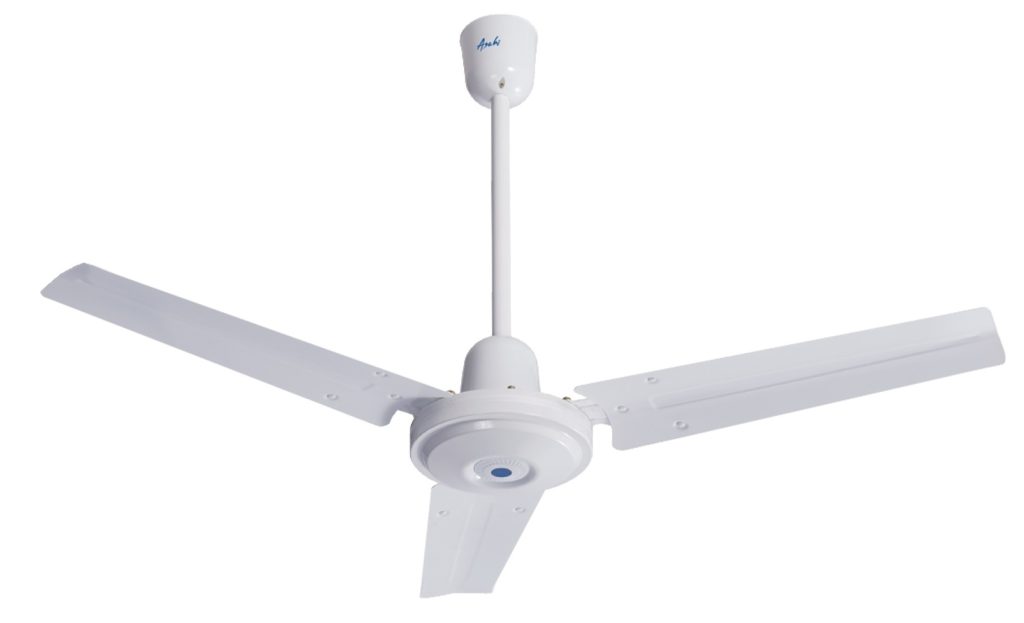
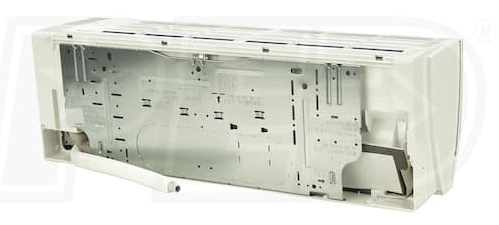
back view for split-type wall-mount air conditioner

Similar Posts

  • |

    Clause 3 – How to understand the definition of “room temperature”

    room temperature: ambient temperature specified in the general conditions for the tests.Note 1 to entry: The ambient temperature is specified in 5.7. This item comes from standard IEC 60335-1:2020 edition 6.0. In commented version (CMV) of the official standard IEC 60335-1:2020 edition 6.0 allows the user to identify the changes made to the previous edition…

  • ข้อ 3 – วิธีทำความเข้าใจคำจำกัดความของ “ช่วงความถี่ที่กำหนด”

    ความถี่ที่กำหนดในรูปแบบของช่วง โดยทั่วไปคือ 50-60 Hz แต่ทุกประเทศในโลกมีความถี่หลัก 50 Hz หรือ 60 Hz จึงไม่มีค่าความถี่กลาง ดังนั้น คำจำกัดความจึงไม่มีความหมายมากนัก อย่างไรก็ตาม ยังมีผู้ซื้อหรือผู้ผลิตที่ให้ช่วงความถี่ในรูปแบบ 50-60Hz ในความคิดของฉัน แม้จะพิจารณาความผันผวนของความถี่ที่เกิดจากแรงดันไฟฟ้าของอาคารที่ไม่เสถียร 50-60Hz ก็ไม่ได้คำนึงถึงสถานการณ์ที่น้อยกว่า 50Hz หรือมากกว่า 60Hz ดังนั้น ฉันขอแนะนำให้ทำเครื่องหมายความถี่ที่กำหนดเป็น 50/60Hz โดยตรงTherefore, I recommend marking the rated frequency as 50/60Hz directly.

  • ข้อ 3 – วิธีทำความเข้าใจคำจำกัดความของ “สายไฟ”

    ภาพด้านล่างแสดงชุดสายไฟ ไม่ใช่สายไฟ ภาพด้านล่างแสดงสายไฟพร้อมปลั๊ก Below photo shows a cord set, not a supply cord. Below photo shows a supply cord equip with a plug

  • ข้อ 3 – วิธีทำความเข้าใจคำจำกัดความของ “แรงดันไฟฟ้า”

    แรงดันไฟฟ้าที่ผู้ผลิตกำหนดให้กับเครื่องใช้ไฟฟ้า:โดยทั่วไป แรงดันไฟฟ้านี้เป็นแรงดันไฟฟ้ามาตรฐานสำหรับประเทศของตลาดเป้าหมาย ณ เวลาที่ออกแบบผลิตภัณฑ์ เมื่อกำหนดตลาดเป้าหมายแล้ว ผู้ผลิตจำเป็นต้องออกแบบผลิตภัณฑ์ให้สอดคล้องกับความต้องการของตลาดเป้าหมาย ไม่สามารถออกแบบผลิตภัณฑ์ที่มีแรงดันไฟฟ้า AC100V (แรงดันไฟฟ้าขาเข้าของแหล่งจ่ายไฟ) โดยมีจุดประสงค์เพื่อใช้ในประเทศที่มีแรงดันไฟฟ้าหลักอยู่ที่ AC220V ในขณะเดียวกัน แรงดันไฟฟ้าหลักในประเทศส่วนใหญ่จะเป็นค่าที่กำหนดไว้ ดังนั้นค่าแรงดันไฟฟ้าที่กำหนดในที่นี้จึงเป็นค่าที่แยกจากกัน International Electrotechnical Commission นำเสนอข้อมูลรายการหน้าเว็บเกี่ยวกับปลั๊กและแรงดันไฟฟ้าหลักสำหรับทุกประเทศ: ในมาตรฐาน IEC 60335-1 การทดสอบทั้งหมดที่จำเป็นต้องจ่ายไฟให้กับผลิตภัณฑ์หรือผลิตภัณฑ์เพื่อให้อยู่ในสภาพการทำงานจะขึ้นอยู่กับแรงดันไฟฟ้าที่กำหนด หากเลือกแรงดันไฟฟ้าที่กำหนดไม่ถูกต้อง ต้องทำการทดสอบทั้งหมดซ้ำ ห้องปฏิบัติการจำเป็นต้องกำหนดแรงดันไฟฟ้าก่อนทำการทดสอบ https://iectest.iec.ch/world-plugsIEC 60335-1 ไม่ได้ระบุค่าหรือช่วงของแรงดันไฟฟ้าที่กำหนดที่ควรตั้งค่าแรงดันไฟฟ้าที่กำหนด แต่จริงๆ แล้วช่วงของแรงดันไฟฟ้าที่กำหนดให้ไว้เป็นข้อมูลอ้างอิงในย่อหน้าแรกของข้อ 1 ซึ่งไม่ เกิน 250 โวลต์สำหรับเครื่องใช้ไฟฟ้าแบบเฟสเดียว และ 480 โวลต์สำหรับเครื่องใช้ไฟฟ้าแบบสามเฟสและแหล่งจ่ายไฟประเภทอื่นๆ โดยทั่วไปแรงดันไฟฟ้าที่กำหนดจะต้องไม่เกินช่วงนี้ สิ่งสำคัญที่ควรทราบคือแต่ละประเทศเพิ่มส่วนเบี่ยงเบนของตนเองตามมาตรฐาน IEC 60335-1 และโดยทั่วไปแล้วการเบี่ยงเบนเหล่านี้จะเพิ่มข้อกำหนดแรงดันไฟฟ้าที่กำหนด ตัวอย่างเช่น 100V ในญี่ปุ่น 240V ในสหราชอาณาจักร และ 220V ในประเทศจีน มีการตัดสินใจ PDSH 2235 สำหรับเครื่องชาร์จแบตเตอรี่คลาส…

  • ข้อ 3 – วิธีทำความเข้าใจคำจำกัดความของ “ไฟล์แนบประเภท Z”

    สายไฟของผลิตภัณฑ์บางชนิดถูกหล่อขึ้นรูปพร้อมกับผลิตภัณฑ์ และไม่สามารถถอดออกได้ด้วยเครื่องมือทั่วไป หรือสายไฟของอุปกรณ์บางชนิดถูกโยนลงบนตัวเครื่องด้วยวัสดุเทอร์โมเซตติงบางชนิดหลังจากเชื่อมต่อแล้ว โครงสร้างที่คล้ายกันเหล่านี้จำเป็นต้องทำลายวัสดุที่เชื่อมต่อกับสายไฟเพื่อให้การดำเนินการเปลี่ยนสายไฟเสร็จสมบูรณ์ ตัวอย่าง: ดังแสดงในรูป สายไฟถูกหล่อเข้ากับเปลือกของปั๊มจุ่มด้วยอีพอกซีเรซิน หากต้องเปลี่ยนสายไฟ จะต้องทำลายอีพอกซีเรซินที่หล่อภาพภายในปั้มน้ำ internal view for water pump

  • Clause 3 – How to understand the definition of “non-detachable part”

    non-detachable-part: part that can only be removed or opened with the aid of a tool or a part that fulfils the test of 22.11. The definition of this concept is mainly for the judgment of clause 8 and clause 20, and the judgment of other clauses may also be used. On the appliance, whether any…