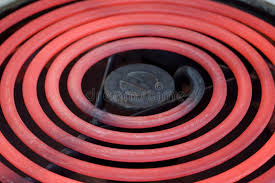
Clause 3 – How to Understand the Definition of “visibly glowing heating element”

visibly glowing heating element: heating element that is partly or completely visible from the outside of the appliance and has a temperature of at least 650 °C when the appliance has been operated under normal operation at rated power input until steady conditions have been established.

The heating element needs to be able to emit light and the light needs to be visible, it is also required that the temperature of the heating element exceeds 650°C. Often when measuring temperature, we measure the temperature at the hottest location, for example, getting the temperature at the surface of a heating element. When testing, please note that it is important to use a thermocouple that is resistant to high temperatures and also to ensure that the calibrated temperature range of the thermocouple covers the temperature being tested.

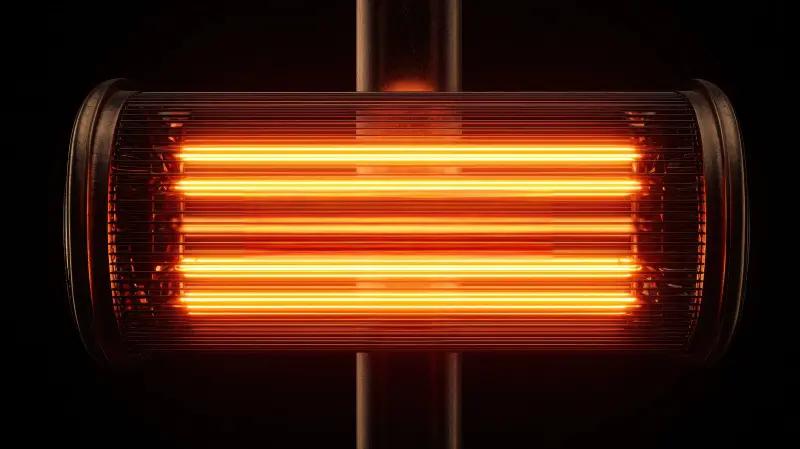
If you have done the clause 30.2 glow wire test then you should have experience that at 650°C the glow wire is non-luminous and only at 750°C does it emit a dim light. Of course, the luminous properties of heating elements may be different from those of a glow wire. Here are some photos of a typical visibly glowing heating element.
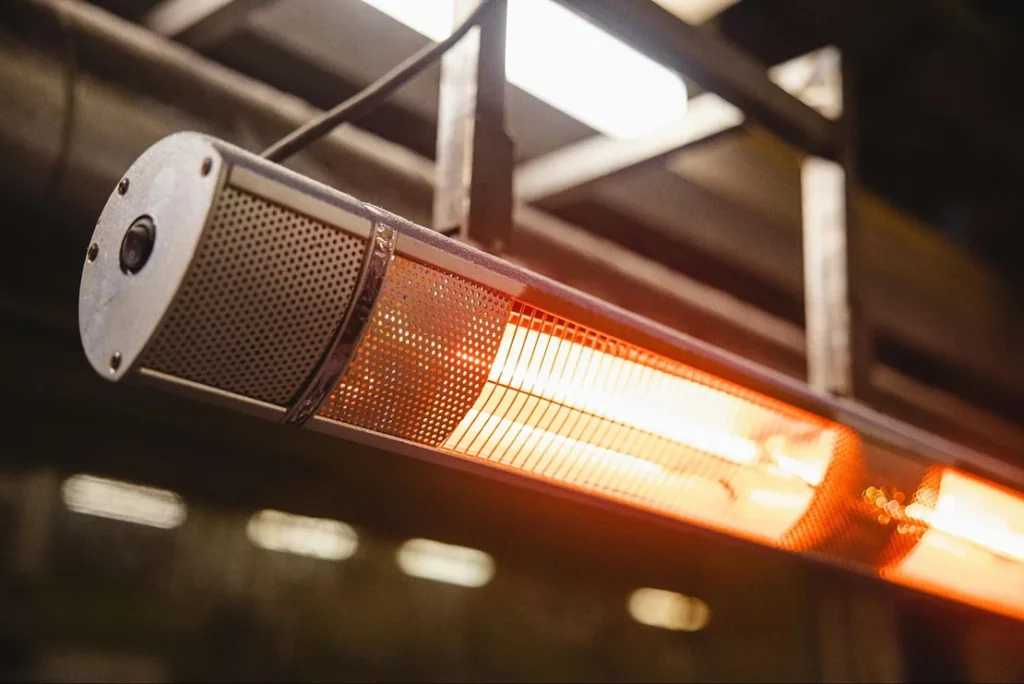
visibly glowing heating element for high position installation
close up view showcases electric infrared heater glowing intensely warmth shot heating element emitting warm
Dark red heating element

This visibly glowing heating element is a warning to the user of the product, and therefore the test requirements are a little more lenient during the subsequent clause of the test.

There are some glowing heating elements that emit light that is not particularly bright, but as long as they emit light and the temperature exceeds 650°C, they can also be defined as visibly glowing heating elements. However, the two photos below show heating elements that, in my experience, should not be considered as visibly glowing heating elements, as the brightness of the heating elements shown in the photos does not correspond to a temperature of 650°C.
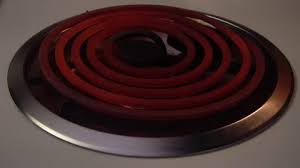
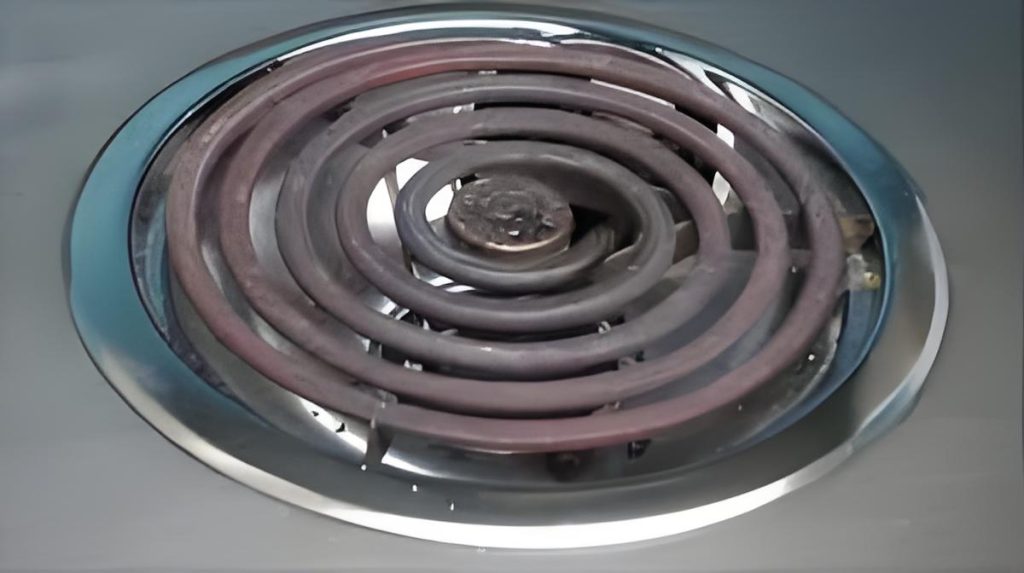
Dark red heating element-1
Dark red heating element-2

Similar Posts

  • Clause 3 – How to understand the definition of “fixed appliance”

    fixed appliance: appliance that is intended to be used while fastened to a support or while secured in a specific location. The definition emphasizes fastening to a bracket or fixing in a specific position. Generally, we think that this kind of fixation requires some installation actions and some fixing devices, these devices can be fixed…

  • ข้อ 3 – จะเข้าใจคำจำกัดความของ “การทำงานผิดปกติที่เป็นอันตราย” ได้อย่างไร

    ตัวอุปกรณ์ไม่ทำงานตามที่ระบุไว้และอาจเป็นอันตรายต่อความปลอดภัย เช่นพัดลม ตัวเก็บประจุสตาร์ทของมอเตอร์อะซิงโครนัส AC ภายในล้มเหลวในรูปแบบของไฟฟ้าลัดวงจรหรือวงจรเปิด ในกรณีเครื่องปรับอากาศ ช่องระบายของท่อระบายน้ำด้านในถูกปิดกั้น ส่งผลให้ระบายน้ำไม่ออก ส่งผลให้น้ำล้น ประเด็นสำคัญในที่นี้คือการทำความเข้าใจ “การดำเนินการโดยไม่ตั้งใจ” คำตรงข้ามของ “ไม่ได้ตั้งใจ” คือ “ตั้งใจ” โดยทั่วไปแล้ว ไม่มีข้อกำหนดในมาตรฐานสำหรับ “การทำงานที่ตั้งใจไว้” เอาล่ะ ฉันขอยกตัวอย่างที่น่าสยดสยองให้กับคุณ หากมีคนใช้เตารีดไฟฟ้าตีศีรษะผู้อื่น มาตรฐานไม่ได้กำหนดว่าถึงแม้เราจะใช้เตารีดไฟฟ้า เราก็ไม่ควรทำร้ายศีรษะของบุคคลนั้นHere, let me give you a horrible example. If someone uses an electric iron to hit another person’s head, the standard does not require that even if we use the electric iron, we…

  • Clause 3 – How to Understand the Definition of “off position”

    off position: stable position of a switching device in which the circuit controlled by the switch is disconnected from its supply or, for electronic disconnection, the circuit is de-energized.NOTE The off position does not imply an all-pole disconnection. With reference to the content in the NOTE, both all-pole disconnection and single-pole disconnection are a stable…

  • Clause 3 – How to understand the definition of “combined appliance”

    combined appliance: appliance incorporating heating elements and motors. We know that this standard mainly protects against the following five types of dangers, which are electric shock, mechanical damage from moving parts, thermal damage (such as burns), fire damage, chemical and biological damage. Generally speaking, thermal damage is caused by electric heating elements, and mechanical damage…

  • ข้อ 3 – จะเข้าใจคำจำกัดความของ “สายเชื่อมต่อโครงข่าย” ได้อย่างไร

    หมายเหตุ 1: ในเครื่องใช้ไฟฟ้าที่ใช้แบตเตอรี่ ถ้าใส่แบตเตอรี่ไว้ในกล่องแยกต่างหาก สายไฟอ่อนหรือสายอ่อนที่ต่อกล่องกับเครื่องใช้ไฟฟ้าจะถือเป็นสายเชื่อมต่อโครงข่ายสายเชื่อมต่อไม่ได้เชื่อมต่อกับแหล่งจ่ายไฟหลัก ตั้งอยู่ระหว่างสองส่วนของเครื่องใช้ไฟฟ้า สายไฟสามารถนำพลังงานไฟฟ้าจากส่วนหนึ่งไปยังอีกส่วนหนึ่งได้ แนวคิดของสายเชื่อมต่อโครงข่ายมีการกำหนดไว้ที่นี่เพื่อลดอันตรายที่เกิดจากสายเชื่อมต่อโครงข่าย มาตรฐาน 25.23 และ 25.24 กำหนดข้อกำหนดสำหรับสายเชื่อมต่อโครงข่าย จากมุมมองของข้อกำหนดมาตรฐาน มาตรฐานจะพิจารณาถึงสายไฟภายนอกของเครื่องใช้ไฟฟ้าเป็นหลัก การดึงที่อาจเกิดขึ้นระหว่างการใช้งาน และสภาวะการใช้งานอื่นที่คล้ายคลึงกันซึ่งสายไฟอาจทนได้ ดังนั้นสายไฟที่เข้าถึงได้จากภายนอกส่วนใหญ่นอกเหนือจากสายไฟจึงถือเป็นสายเชื่อมต่อโครงข่าย หมายเหตุ 1 เป็นตัวอย่างทั่วไป ผลิตภัณฑ์ที่แสดงในภาพด้านล่างคือพัดลมที่มีฟังก์ชันการทำให้เป็นละออง (เป่าลมออกมาในรูปของหมอก) สายเชื่อมต่อระหว่างส่วนหัวพัดลมด้านบนและส่วนถังน้ำสีขาวด้านล่างถือได้ว่าเป็นสายเชื่อมต่อ ดังแสดงในรูปด้านล่าง พัดลมไอน้ำแบบตั้งพื้นมีโครงสร้างที่แตกต่างจากพัดลมไอน้ำแบบติดผนังดังแสดงในรูปด้านบน แต่มีฟังก์ชั่นเดียวกัน พัดลมไอน้ำแบบตั้งพื้นเป็นโครงสร้างที่สำคัญ แต่มีสายไฟด้านนอกเชื่อมต่อหัวพัดลมกับถังเก็บน้ำด้านล่าง (สายไฟจะผ่านแกนรองรับตรงกลาง) สำหรับการเชื่อมต่อประเภทนี้ผู้เขียนเชื่อว่าเป็นสายเชื่อมต่อโครงข่ายด้วย ดังแสดงในรูปด้านล่าง นี่คือเส้นนำทั่วไประหว่างแผงวงจรแสดงผลและแผงวงจรควบคุมหลักของเครื่องปรับอากาศแบบแยกส่วนภายในอาคาร แม้ว่าสัมผัสสายได้โดยการเปิดฝาครอบด้านบนด้วยตนเอง แต่สายจะอยู่ด้านในเครื่องระหว่างการใช้งานปกติ จึงไม่ถือว่าเป็นสายเชื่อมต่อระหว่างกัน อย่างไรก็ตาม ผู้นำยังคงต้องเป็นไปตามข้อกำหนดของข้อ 22.8. นี่คือกรณีที่เป็นที่ถกเถียงกันมากขึ้น ซึ่งก็คือสายไฟภายในช่องคอมเพรสเซอร์ที่ด้านหลังของตู้เย็น สายไฟในวงกลมสีแดงในรูปด้านล่างถือเป็นสายเชื่อมต่อโดยองค์กรทดสอบหรือห้องปฏิบัติการบุคคลที่สามส่วนใหญ่ ความเห็นส่วนตัวของฉันคือสายไฟในช่องคอมเพรสเซอร์ตู้เย็นไม่ใช่สายเชื่อมต่อ เราสามารถอนุมานเจตนาของมาตรฐานได้จากข้อกำหนด 25.23 และ 25.24 มาตรฐานกำหนดให้สายเชื่อมต่อต้องเป็นไปตามข้อกำหนดของสายไฟ สายไฟสามารถดึงออกได้ จึงต้องทดสอบตามข้อ 25.15 สายไฟมีลักษณะพิเศษคืออยู่ภายนอกตัวเครื่องและสามารถสัมผัสและดึงได้ สายไฟตู้เย็นที่เรากำลังพูดถึงที่นี่ไม่น่าจะแตะต้องได้ และโดยพื้นฐานแล้วจะไม่ถูกดึง เครื่องใช้ไฟฟ้าได้รับมาโดยชุดสายไฟและประกอบด้วยส่วน…

  • ข้อ 3 – วิธีทำความเข้าใจคำจำกัดความของ “ไฟล์แนบประเภท Y”

    โดยทั่วไปแล้ว อุปกรณ์เสริมประเภท Y ใช้สำหรับสายไฟที่เปลี่ยนได้ยาก หรือเมื่อสัมผัสชิ้นส่วนที่เป็นอันตรายระหว่างการเปลี่ยน ดังนั้นจึงจำเป็นต้องเปลี่ยนสายไฟโดยผู้ผลิต หน่วยงานบริการ หรือบุคลากรที่มีคุณสมบัติคล้ายคลึงกัน ปัจจุบันเครื่องใช้ไฟฟ้าในครัวเรือนส่วนใหญ่ใช้โครงสร้างนี้ ตามที่แสดงในภาพสองภาพต่อไปนี้ หลังจากที่ถอดฝาครอบที่ด้านล่างของเครื่องออกแล้ว คุณจะมองเห็นที่รัดสายไฟและขั้วต่อสายไฟภายใน การถอดฝาครอบด้านล่างออกทำได้ค่อนข้างง่าย แต่หากสายไฟเชื่อมต่อด้วยขั้วต่อหัวนมที่คล้ายกันหรือยึดด้วยกลไก จะต้องใช้เครื่องมือระดับมืออาชีพหรือทำลายเพื่อเชื่อมต่อสายไฟใหม่ ซึ่งทำให้เปลี่ยนสายไฟได้ยาก มีความสมเหตุสมผลมากกว่าที่จะกำหนดโครงสร้างนี้เป็นไฟล์แนบประเภท Y As shown in the following two pictures, after removing the cover at the bottom of the appliance, you can see the cord clamp and the internal supply cord connector. Removing the bottom cover is relatively easy, but…